
Description
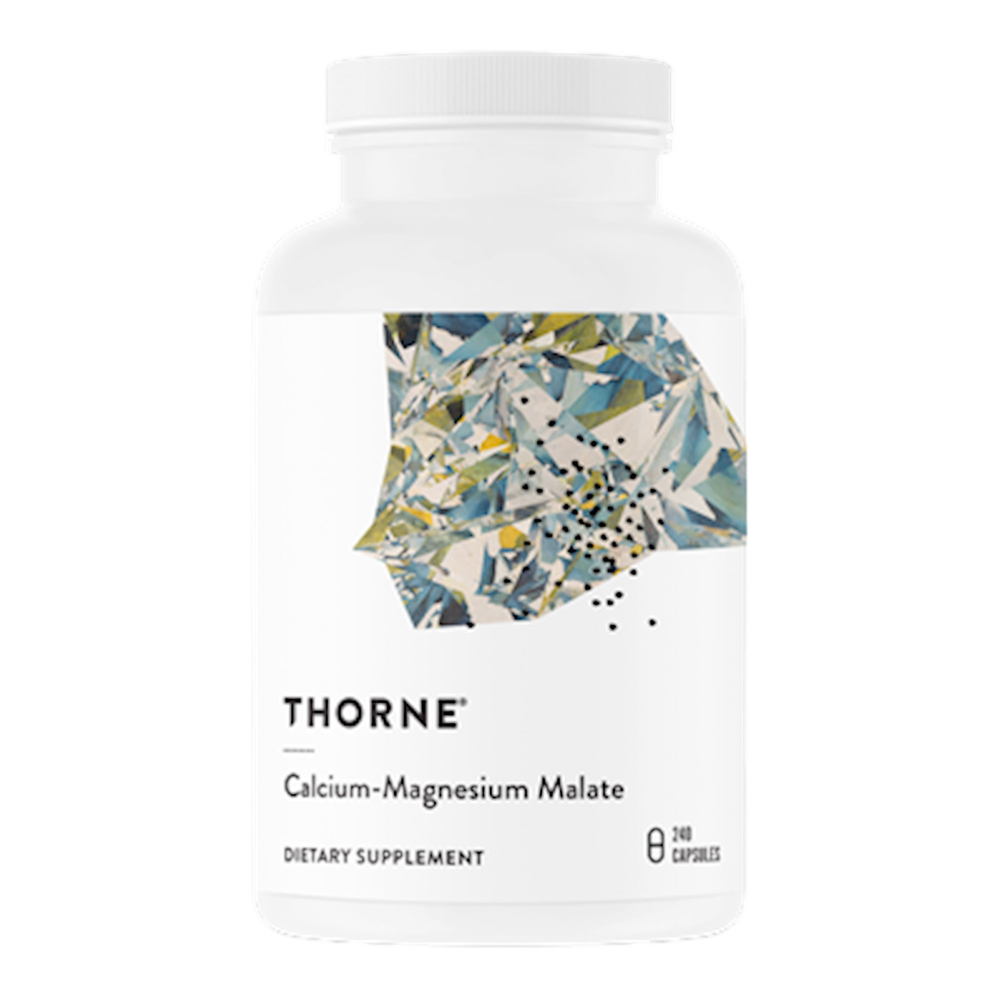
What do the studies say about taking a calcium supplement ?
Osteoporosis
Adequate calcium intake, from the diet or supplements, is recommended for the prevention and treatment of osteoporosis.
Colorectal Cancer Prevention: Taking 1200 to 2000 mg of calcium supplements daily for up to 4 years can reduce the risk of colorectal adenoma recurrence by up to 29% .
Premenstrual Syndrome: Taking calcium 1000 to 1336 mg daily seems to significantly reduce depressed mood, water retention, and pain associated with PMS.
Tooth Retention: Taking calcium 500 mg daily along with vitamin D3 (cholecalciferol) 700 IU daily orally for 3 years reduces the risk of tooth loss by about 52% when compared with placebo.
What do the studies say about taking a magnesium supplement?
Colorectal Cancer Prevention: Increasing dietary magnesium intake seems to lower the risk of colon cancer but not rectal cancer.
High Cholesterol: Taking magnesium oxide 1000 mg daily for 6 weeks can produce small decreases in low-density lipoprotein (LDL) and total cholesterol levels, and small increases in high-density lipoprotein (HDL) levels in patients with hypercholesterolemia.
Metabolic Syndrome: Low dietary and serum levels of magnesium seem to be associated with the development of metabolic syndrome. Higher magnesium intake from diet and supplements is associated with a lower risk of developing metabolic syndrome.
Osteoporosis: Taking magnesium hydroxide 300-1800 mg daily for 6 months, then 600 mg daily for 18 months, or magnesium citrate orally 1830 mg daily for 30 days, might reduce bone loss and bone turnover in postmenopausal patients with osteoporosis.