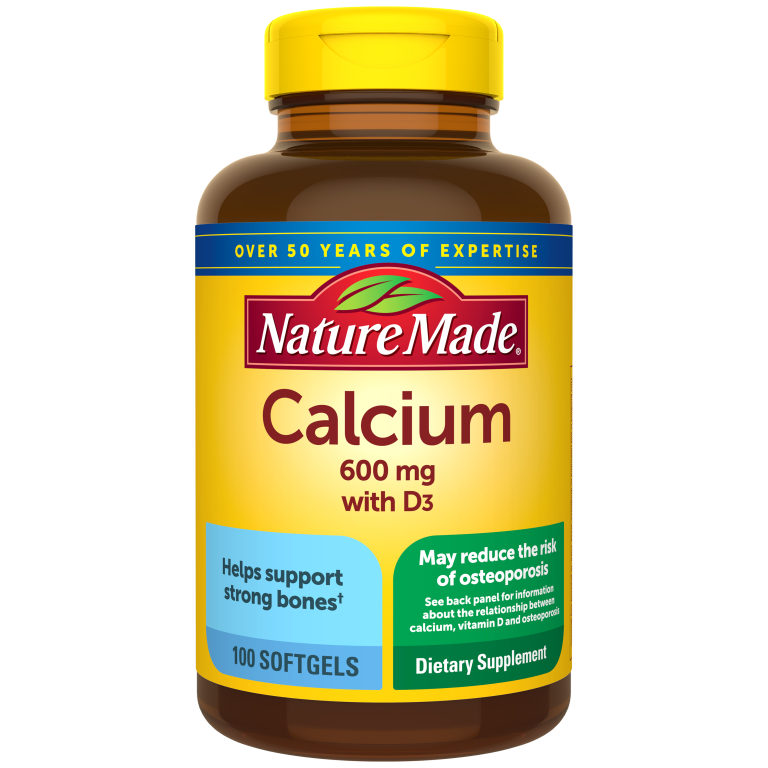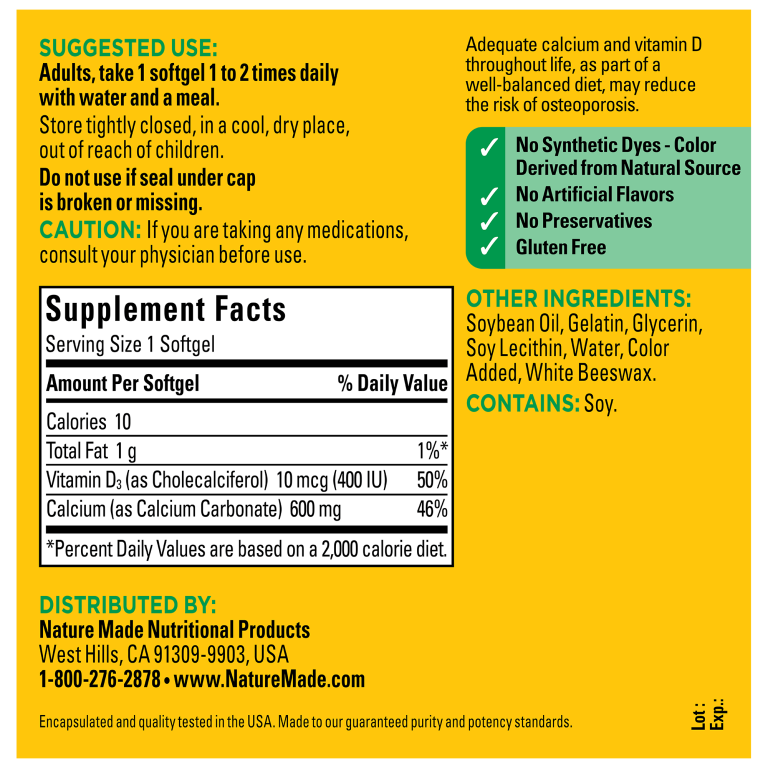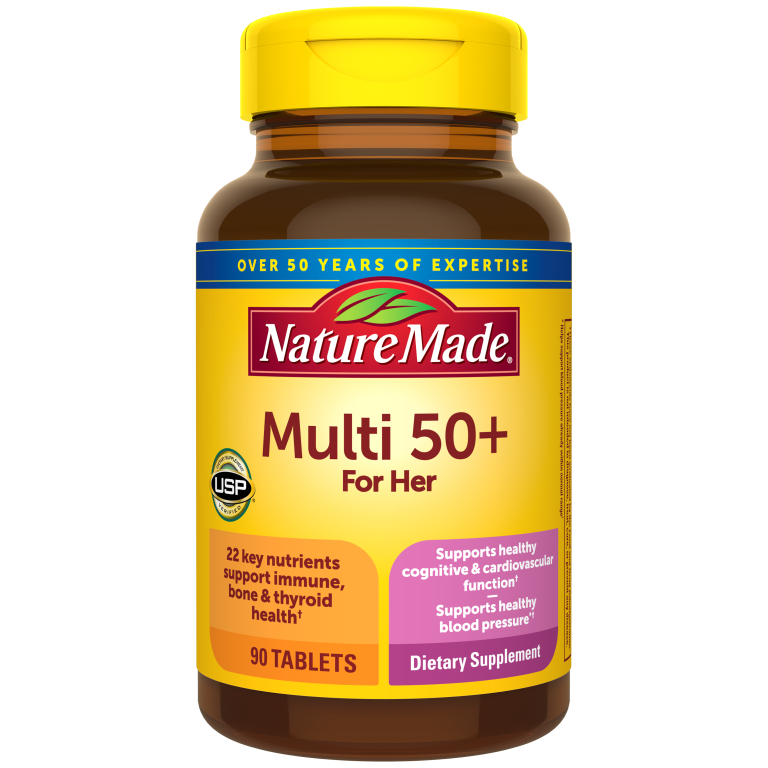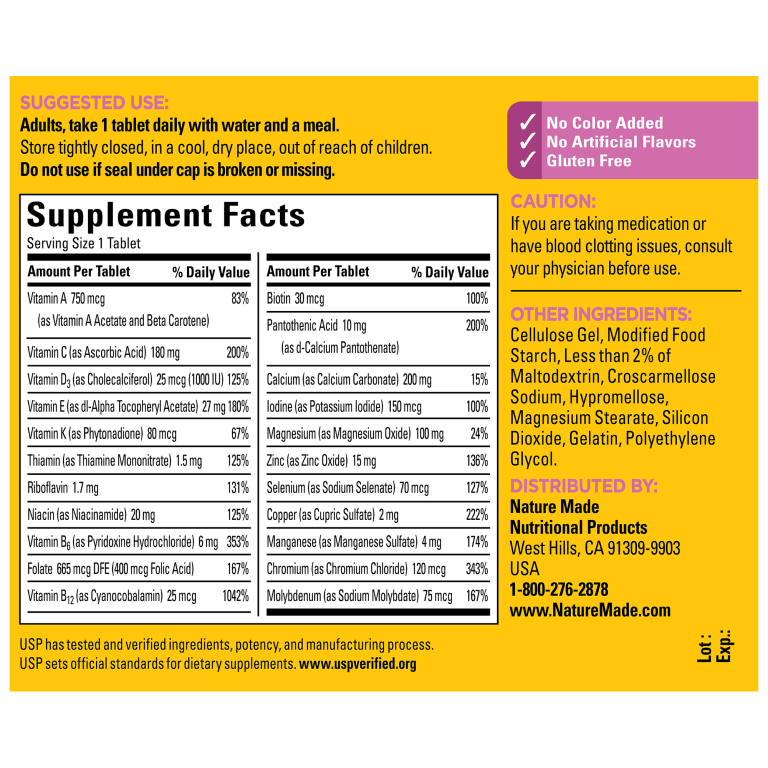

Description
What do the studies say about taking a Vitamin D supplement ?
Bone Health: Taking 800 to 1000 IU (20 to 25 mcg) of vitamin D might also reduce the risk of a first fracture in some patients. According to one analysis, taking oral vitamin D3 700-800 IU daily with or without calcium reduces fracture risk in ambulatory and institutionalized elderly people.
The Bone Health and Osteoporosis Foundation (BHOF) recommends ensuring adequate vitamin D intake of 800-1000 IU daily along with adequate calcium intake for the prevention and treatment of osteoporosis in adults over 50 years of age.
Heart failure Prevention: Taking vitamin D plus calcium is associated with a 37% lower risk of developing heart failure in postmenopausal adults classified as low-risk for heart failure at baseline.
Respiratory tract infections in children: Taking vitamin D 400 to 1000 IU (10mcg to 25mcg) daily decreases the odds of having an RTI by about 30% in children.
Allergic rhinitis (hay fever): Taking vitamin D 800 IU or 1000 IU daily for 1-6 months modestly reduces symptoms such as nasal congestion and rhinorrhea
Tooth Retention in older adults: Taking vitamin D 700 IU daily along with calcium citrate 500 mg daily orally for 3 years reduces the risk of tooth loss by about 52% when compared with placebo.