What Is a Pharmacy Benefit Manager (PBM) and Why Should You Care?
The middlemen you’ve never heard of are the biggest reason pharmacy is broken
When I worked at a local pharmacy, the same thing would happen every week. Someone would walk up to my counter and say some version of the same thing: “I have great insurance—why is this so expensive?”
Or the opposite: “I have great insurance—no copay!” Meanwhile, your local pharmacy just lost money filling that prescription. And that’s not counting the bottle, the label, checking for drug interactions—just the cost of the drug itself.
Both of these situations share the same cause, and it’s not your doctor, not your pharmacist, and honestly, not even your insurance company. It’s a middleman most people have never heard of: the Pharmacy Benefit Manager, or PBM.
If you take any prescription medication—or if someone in your family does—PBMs are affecting your life. Here’s how.
What Is a PBM?
A PBM is a company that sits between your insurance plan and your pharmacy. When your employer buys health insurance, that insurance company hires a PBM to manage the prescription drug benefit. The PBM decides which drugs are covered, which pharmacy you can use, how much the pharmacy gets paid, and how much you pay at the counter.
In theory, PBMs were supposed to negotiate lower prices for everyone. In practice, they’ve become some of the most powerful and least accountable companies in American healthcare.
There are really only three PBMs that matter: CVS Caremark, Express Scripts, and OptumRx. Together, they control roughly 80% of all prescriptions filled in the United States. That’s not a competitive market. That’s a chokehold.
PBMs in Madison, Wisconsin
If you have health insurance in Madison, a PBM is making decisions about your prescriptions right now. Here’s who’s behind the curtain for the plans most people around here carry.
Quartz Health Insurance (UW Health, Gundersen, UnityPoint–Meriter)
Their PBM is OptumRx, which is owned by UnitedHealth Group—the largest healthcare conglomerate in the country.
UnitedHealth also owns a health insurer (UnitedHealthcare), a data company (Optum), and a network of clinics and surgery centers.
When the same corporation owns the PBM, the insurer, and the care delivery, their incentive is to keep money circulating inside their own system—not to find you the best deal.
Dean Health Plan (SSM Health)
Their PBM is Navitus, which is headquartered right here in Madison. Navitus calls itself a “transparent, pass-through” PBM, and they’re better than the Big Three on paper. But here’s what they don’t advertise: Navitus is owned by SSM Health and Costco. “Transparent” doesn’t mean independent. And your pharmacy still gets told what it can charge.
Group Health Cooperative of South Central Wisconsin
Also uses Navitus. Same story.
State of Wisconsin Employees
No matter which health plan you pick during It’s Your Choice enrollment—Quartz, Dean, GHC-SCW, or anything else—your pharmacy benefit is run through Navitus. The state contracts with them separately. You don’t get a choice of PBM. It’s chosen for you.
The bottom line: Whether your PBM is OptumRx or Navitus, someone other than your pharmacist is deciding what you pay and what your pharmacy gets paid. In Madison, the two biggest PBMs are connected to the same health systems that provide your insurance and your medical care. That’s not a marketplace—it’s a closed loop. Direct pay steps outside the loop entirely.
How PBMs Make Money at Your Expense
PBMs make money in ways that are deliberately hard to follow. Here are a few of the big ones.
Spread pricing
Your insurance plan pays the PBM one price for a medication. The PBM turns around and pays the pharmacy a lower price. The PBM keeps the difference—the “spread.” Nobody tells you this is happening. Nobody tells the pharmacy, either. We find out what we’re getting paid after we’ve already filled the prescription.
Rebates they don’t share with anyone
Drug manufacturers pay PBMs billions of dollars in rebates to get their medications on the “preferred” list. In theory, those rebates should lower your costs. In reality, PBMs often pocket most of that money. The FTC has investigated this—they found that PBMs retained a significant share of rebates rather than passing savings to patients or plans.
Clawbacks and DIR Fees
This one is especially painful for pharmacies. A PBM will pay your community pharmacy for a prescription today, and then months later, claw some of that money back through something called a “DIR fee”—Direct and Indirect Remuneration. These fees are often calculated retroactively, so we never know our actual reimbursement until long after we’ve done the work. It would be like getting your paycheck, spending it, and then having your employer take part of it back three months later.
Why Your Prescriptions Cost What They Cost
Here’s something most people don’t realize: the drugs you’re taking are probably cheap. Really cheap.
For example, take Lisinopril, one of the most commonly prescribed blood pressure medications. It used to be Zestril, a brand-name drug. Now it’s a generic that costs pennies per pill. Atorvastatin used to be Lipitor—same story. Metformin was Glucophage. Sertraline was Zoloft. Fluoxetine was Prozac.
The molecules haven’t changed. The patents expired, and the manufacturing cost dropped dramatically. But here’s the catch: PBMs didn’t pass those savings on to you. They kept the spread between what the drug actually costs and what your plan pays. Your copay on a generic that costs us three dollars might still be fifteen or twenty dollars—because that’s what the PBM decided.
You’re subsidizing a middleman every time you pick up a prescription.
What PBMs Have Done to Pharmacy
The damage isn’t just to your wallet. PBMs have systematically gutted the profession of pharmacy.
When PBMs reimburse pharmacies below the cost of dispensing—and yes, that happens regularly—pharmacies can’t afford adequate staff. That’s why you wait thirty minutes for a prescription that takes five minutes to fill. That’s why your pharmacist seems rushed and can’t answer your questions. That’s why your local Walgreens keeps changing its hours or closing altogether.
It used to be common for pharmacies to have signs that said “Prescriptions filled while you wait.” Those signs are gone because the economics don’t work anymore. Pharmacists are now doing the same volume that two pharmacists handled a generation ago. Technology has improved some things—electronic prescriptions instead of phone calls and faxes—but you can’t counsel a patient any faster. You can’t explain a new medication regimen in half the time.
Independent pharmacies are closing. Chain pharmacies are understaffed. Patients are receiving worse care because of it. All of this traces back to PBM reimbursement.
Imagine Running a Pizza Place Like This
I like to explain PBMs with a simple comparison. Imagine you open a pizza shop. You buy the ingredients, rent the space, hire staff, fire up the ovens. You calculate your costs and determine that you need to charge $18 per pizza to stay in business.
A customer walks in, hands you a card, and says, “I’ll give you twelve dollars.” And you’re contractually required to take it. If you refuse, you can be sued. You can’t negotiate. You can’t even tell the customer what the pizza actually costs.
That’s pharmacy right now. Every single day.
Why This Matters to You
If you’re thinking, “This is a pharmacy industry problem, not my problem,” I understand the impulse. But PBMs affect you directly in a few important ways.
First, you’re likely overpaying. If your copay for a generic medication is $10 or $15, there’s a good chance the cash price without insurance is similar—or even lower. You might be paying more through insurance than you would paying out of pocket. Your PBM isn’t going to tell you that.
Second, you’re losing access. Every pharmacy that closes because of PBM reimbursement is one fewer option for you. Every pharmacist who’s too overworked to answer your question is a missed opportunity to catch a drug interaction or suggest a better alternative.
Third, your pharmacist can’t take care of you the way they want to. I’ve been a pharmacist for over twenty-five years. I got into this profession to help people—to use my training to make a difference, face to face, one person at a time. PBMs have made that almost impossible in the traditional pharmacy model.
There’s a Better Way
This is exactly why direct-pay pharmacy exists. When you take insurance and PBMs out of the equation, you get transparent pricing, pharmacists with time to actually help you, and costs that often surprise people—in a good way.
A one-month supply of most common generics—blood pressure medications, cholesterol medications, antidepressants, thyroid medications—costs about thirteen dollars. A three-month supply runs about thirty dollars. No copay games, no surprise bills, no middleman taking a cut.
That’s what we’re building at Qual-i-tee Pharmacy. A pharmacy where the price is the price, where your pharmacist knows your name, and where nobody is getting rich between you and your medication.
PBMs have had their run. It’s time for something better.
Frequently asked questions about PBMs
What is a PBM in simple terms?
A Pharmacy Benefit Manager (PBM) is a company that sits between your insurance plan and your pharmacy. PBMs decide which medications are covered, how much the pharmacy gets paid, and how much you owe at the counter. The three largest PBMs — CVS Caremark, Express Scripts, and OptumRx — control roughly 80% of all prescriptions in the United States.
How do PBMs make money?
PBMs profit in several ways, including spread pricing (charging your insurance more than they pay the pharmacy and keeping the difference), retaining rebates negotiated with drug manufacturers, and clawing back reimbursements from pharmacies months after a prescription was filled through DIR fees. These practices are largely invisible to patients.
Is it cheaper to pay cash for prescriptions than to use insurance?
In many cases, yes — especially for generic medications. Your copay is set by the PBM, not by the actual cost of the drug. A generic that costs the pharmacy a few dollars might still carry a $15 or $20 copay. At a direct-pay pharmacy, most common generics — blood pressure, cholesterol, thyroid, mood, and antibiotics — cost about $13 for a one-month supply or $30 for a three-month supply.
Can I use HSA or FSA funds at a direct-pay pharmacy?
Yes. Prescriptions purchased at a direct-pay pharmacy are eligible expenses for Health Savings Accounts (HSAs) and Flexible Spending Accounts (FSAs), just like prescriptions filled through insurance.
Why are so many pharmacies closing?
PBMs frequently reimburse pharmacies below the actual cost of dispensing medications. When pharmacies lose money on prescriptions, they cut staff, reduce hours, and eventually close. This has affected independent pharmacies and major chains alike — Walgreens’ financial struggles led to its acquisition by a private equity firm, driven largely by unsustainable PBM reimbursement rates.
What can I do about PBM pricing?
You always have the right to ask your pharmacy for the cash price of a medication — and to pay that price instead of your copay if it’s lower. You can also choose a direct-pay pharmacy that bypasses PBMs entirely, giving you transparent pricing and a pharmacist who has time to actually help you.
You may also be interested in …
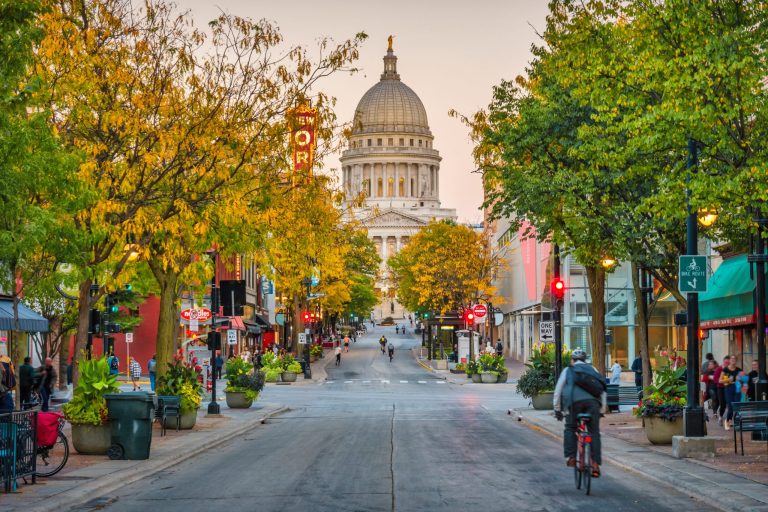
A direct pay pharmacy offers a different model: one that cuts out the middlemen and puts patient care first. Here’s how it works and why it matters.
Published on Jan 03 2026
Last Updated on Feb 16 2026
Categories: How Pharmacy Really Works
Tags: copays, direct pay, how pharmacy works, insurance myths, PBMs, pharmacy closures, pharmacy the way it should be, saving money, transparent pricing