What is a direct pay pharmacy?
(and why Madison needs one)
If you’ve ever waited in line at a pharmacy only to be told your prescription isn’t ready—or been shocked by a copay that costs more than the medication itself—you’re not alone. The pharmacy experience has gotten worse for almost everyone. But it doesn’t have to be this way.
A direct pay pharmacy offers a different model: one that cuts out the middlemen and puts patient care first. Here’s how it works and why it matters.
Why your pharmacy experience is so bad today
How Community Pharmacies Got Broken
Most people assume that having insurance means they’re getting a good deal on medications. The reality is more complicated.
When you have insurance—usually through an employer—that insurance company contracts with something called a Pharmacy Benefit Manager, or PBM. A handful of PBMs control the vast majority of prescriptions filled in this country. They set the prices. They decide what pharmacies get paid. And increasingly, they own pharmacies and insurance companies themselves.
Here’s what this looks like in practice: A patient walks in and says, “I have great insurance—no copay!” Meanwhile, the pharmacy lost money filling that prescription. Not counting the bottle, the label, the staff time—just the cost of the drug itself. The pharmacy would have been financially better off not filling it at all.
Or the opposite happens: A patient has a sky-high copay because the PBM negotiated rebates from the manufacturer, kept that money, and still passed most of the original cost to the patient.
That’s pharmacy right now. It’s why pharmacies are closing, why the ones that remain are understaffed, and why patients wait in endless lines only to be told their prescriptions aren’t ready.
Where did all the drugstores go?
What We’ve Lost: Neighborhood Drugstores
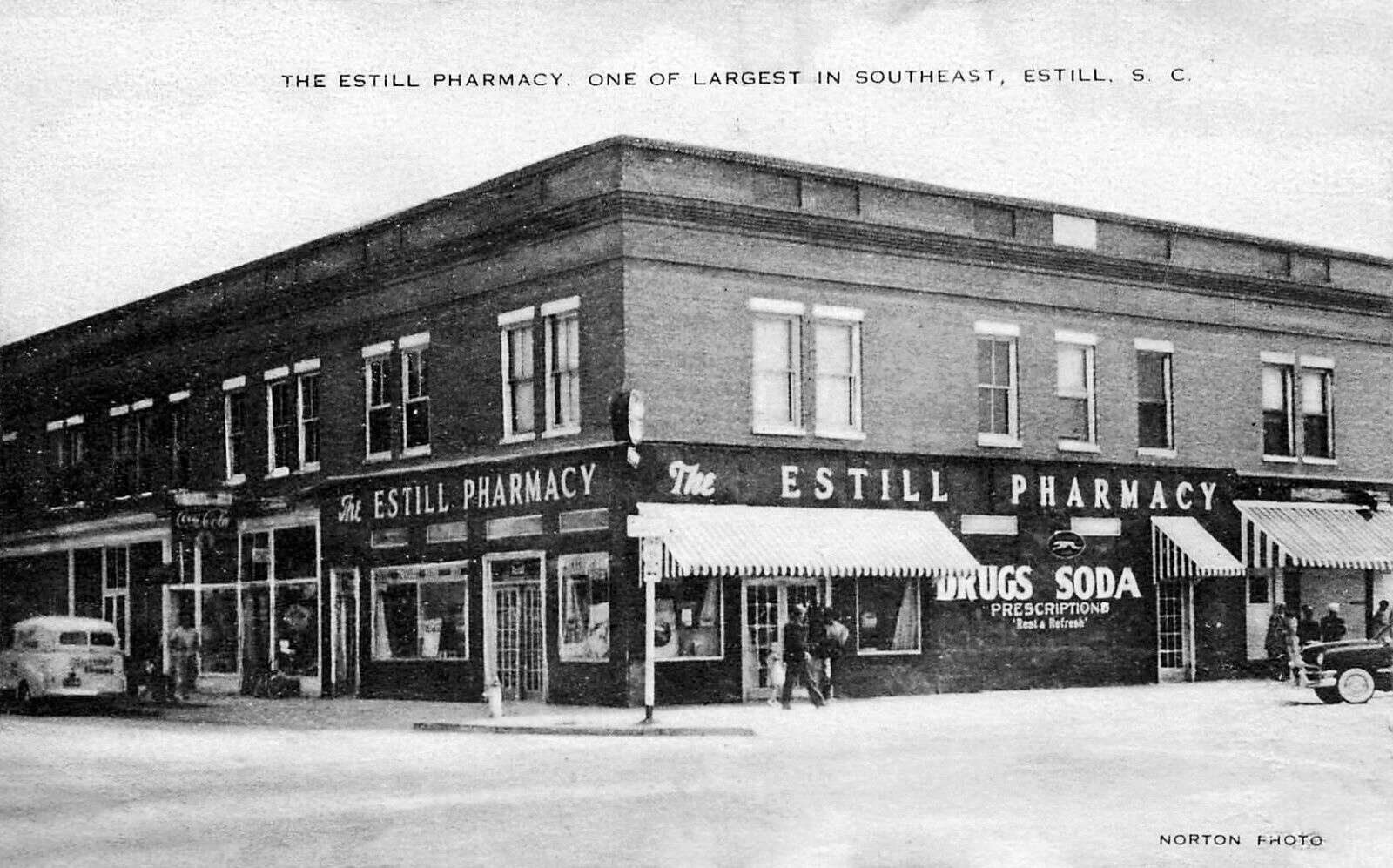
Pharmacy used to be different. There used to be a pharmacy in almost every neighborhood, staffed with enough folks to make sure you got great service and that your medications were filled promptly and correctly.
Remember when there were signs in the drugstore that said “Prescriptions filled while you wait.”
Those signs are long gone.
It’s not just mom-and-pop pharmacies disappearing. Walgreens—once a giant in the industry—saw its stock price drop so low that it was purchased by a private equity firm. That happened because of low reimbursements from PBMs. Big and small, everyone feels the squeeze.
But the real loss isn’t profits—it’s care. A pharmacy was once a place where you could walk in, talk to a healthcare professional, and get expert advice. Pharmacists were called the most trusted profession in America for generations. They were approachable. They could answer a question without an appointment, without a copay, without a three-week wait.
Now? Pharmacists are simply too busy. It’s hard to walk someone through a cough and cold treatment when there’s a mountain of prescriptions to fill. Today’s pharmacists are doing the volume that two pharmacists handled a generation ago. Technology has improved some things, but you can’t explain a complex treatment regimen and drug interactions any faster.
People groan when they have to think about going to the pharmacy. They stand in line, finally get to the counter, and are told their medication isn’t ready. That’s not an occasional problem. It happens all the time.
A direct-pay pharmacy eliminates the middleman entirely. Medications are purchased and sold directly to patients—no insurance billing, no PBM contracts, no obligations to lose money on prescriptions.
Direct pay allows us to invest in patient care
What Direct Pay Changes
This makes something radical possible: excellent care for patients because we invest in staffing.
Care That Goes Above and Beyond
With safe staffing levels and local ownership comes the ability to actually care for patients. Here’s what that looks like:
At a direct pay pharmacy, prescriptions are ready when promised. When someone has a question, they don’t wait 45 minutes on hold. A few minutes at most—and only if the pharmacist happens to be tied up with helping another neighbor.
When refill dates don’t match up—maybe a one-month supply lasted almost two months—a good pharmacist asks questions. “How are you taking this medication?” Often the answer is: “I’m supposed to take it twice a day, but I always forget the second dose.” Many patients don’t know there are once-daily alternatives. A phone call to the clinic can switch them to something they’ll actually take consistently.
When someone can’t afford a medication, the answer isn’t a shrug. There are often cheaper alternatives—a $20 cream with the same active ingredients as the $200 brand, just in a slightly different form. That’s $180 in savings from a single phone call.
When patients need a refill but there aren’t any remaining, the first question should be: “Do you have pills for today? For tomorrow morning? Are you completely out?” Because people shouldn’t go without their blood pressure medication, their antidepressants, their diabetes medications. The pharmacist gets on the phone, calls the clinic, explains the situation, and gets that prescription sent over the same day.
Patients have been conditioned to just go without. That’s dangerous, and it doesn’t have to be this way.
Beyond Prescriptions
A pharmacy that cares can do more than fill prescriptions well. It can offer same-day testing for flu, strep, and COVID. It can be a place to get your vaccines without an appointment or a long wait. And it can curate supplements and skincare products that a pharmacist actually believes in—not just whatever corporate is pushing this month.
Prescriptions Are More Affordable Than You Think
People assume that skipping insurance means medications will be expensive. The opposite is often true.
Here’s something most people don’t realize: almost everything dispensed daily used to be brand-name and is now generic. Metformin was Glucophage. Fluoxetine was Prozac. Losartan was Cozaar. Clopidogrel was Plavix.
The molecules people are putting in their bodies haven’t changed in 25 years. What’s changed is that patents expired, so the medications cost far less to produce. But PBMs kept charging insurance companies—and patients—as if nothing changed. They pocketed the savings.
At a direct pay pharmacy, patients get those savings passed through. For many routine medications—blood pressure, cholesterol, thyroid, mood, antibiotics—a one-month supply costs around $10.
Direct pay might not always be the cheapest option. The difference with pharmacy is you’re also buying back your time and the confidence that your medication will be filled correctly by a health care professional who knows you.
When you factor in what a half hour of waiting in line costs you—multiply that by every pharmacy trip over a year—paying a little more per prescription often comes out ahead. One trip instead of three. Five minutes instead of forty-five. Questions answered instead of ignored.
Why Madison Deserves a Better Pharmacy Experience
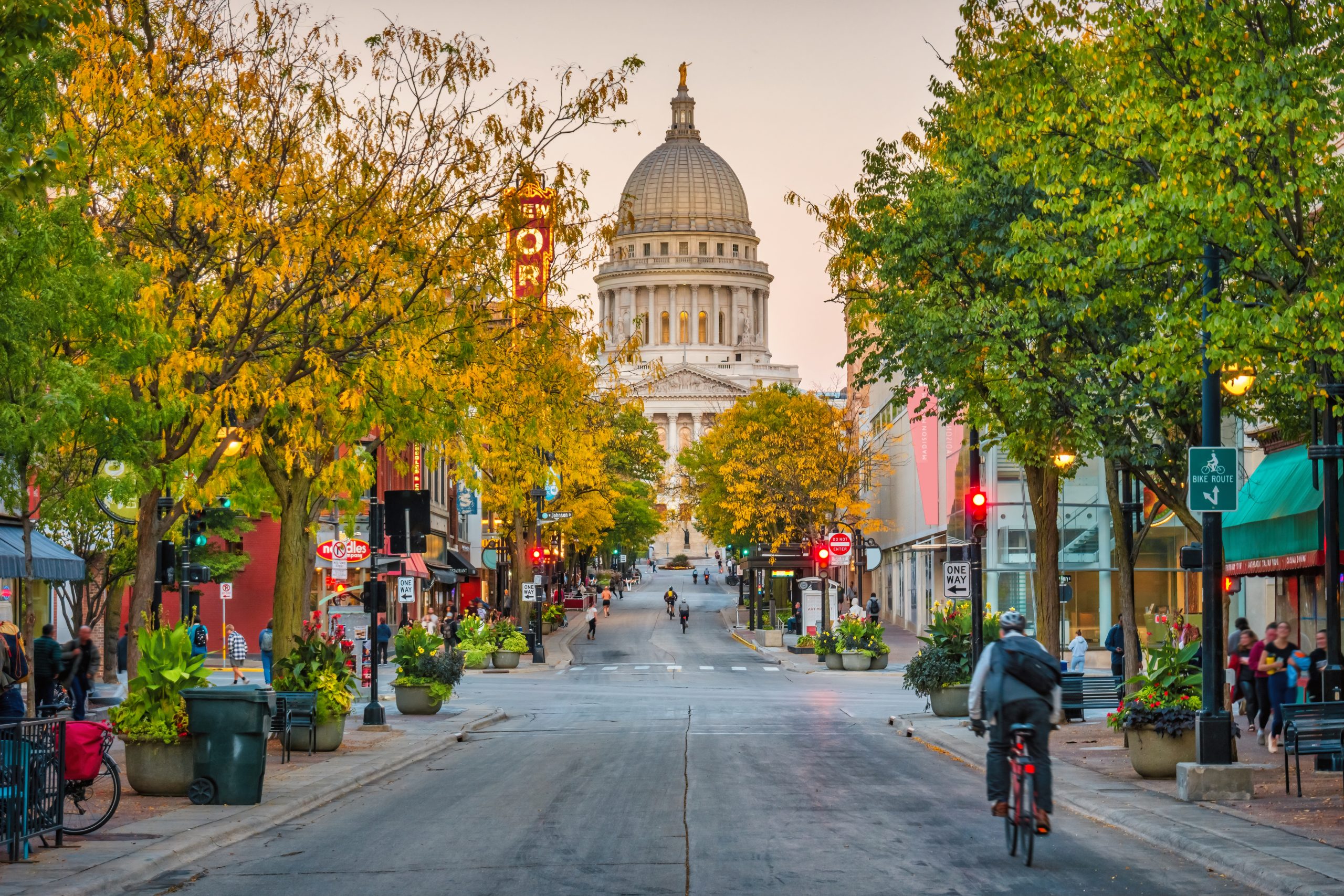
Madison is a community that values quality, values relationships, and values doing things the right way. That’s exactly what direct pay pharmacy offers.
Madison deserves a pharmacy where someone knows your name. Knows your voice. Recognizes your walk when you come through the door and goes to grab what’s already ready for you—because they’re the same person who filled it last month and the month before that.
Madison deserves a pharmacist who knows you’ve had trouble swallowing large pills, who remembers that a certain brand doesn’t work as well for you, who talks you out of buying something that might interact with your other medications.
Madison deserves pharmacy the way it used to be. The way it should be.
That’s what’s coming.
Want to learn more about direct pay pharmacy? We’d love to hear from you. Reach out or sign up for our enewsletter.
FAQs
Frequently Asked Questions About Direct Pay Pharmacies
What is a direct pay pharmacy?
A direct pay pharmacy sells medications directly to patients at transparent prices, without billing insurance or working with pharmacy benefit managers (PBMs). This eliminates the middlemen that drive up costs and allows the pharmacy to focus on patient care.
Can I use a direct pay pharmacy if I have insurance?
Yes! You can choose to pay the direct price for any medication. For many generic medications, the direct price is lower than your insurance copay.
How much do prescriptions cost at a direct pay pharmacy?
At Qual-i-Tee Pharmacy, most routine generic medications (blood pressure, cholesterol, thyroid, mood, and antibiotics) cost about $10 for a one-month supply.
What’s the difference between a direct pay pharmacy and a regular pharmacy?
A regular pharmacy bills insurance and is reimbursed by the PBM. These reimbursements are often below the cost of the medication, forcing pharmacies to do more with less. The result is inadequate staffing and long wait times. The PBM also sets the price the patient pays, which leads to unpredictable pricing. A direct pay pharmacy operates independently, offering transparent pricing and investing in safe staffing levels and personalized care.
Sign up for updates
Published on Jan 02 2026
Last Updated on Feb 15 2026
Categories: How Pharmacy Really Works
Tags: cash pay, community pharmacy, direct pay, how pharmacy works, Madison, our story, PBMs, personalized care, pharmacist access, pharmacy the way it should be, saving money, time savings, transparent pricing, west side